Dhee Rani Programme 2026 — Easy Step-by-Step Guide to Eligibility, Benefits & How to Apply
This is not an official Punjab government or BISP website. This guide is independent, general information about the Dhee Rani Programme. For official information, confirm on the programme’s official portal or the Social Welfare Department helpline on 1312. For BISP matters, always use the 8171 portal at 8171.bisp.gov.pk or the BISP helpline on 0800-26477.
Quick answer: The Dhee Rani Programme is a Punjab government initiative that arranges collective (mass) weddings for deserving brides and gives each bride Rs 200,000 as salami on a Bank of Punjab ATM card in her own name, plus a gift and household essentials. It is for orphan, destitute or disabled brides — or daughters of persons with disabilities — aged 18 to 40, unmarried, domiciled in Punjab, with a confirmed match. Apply only at the official portal cmp.punjab.gov.pk or through the helpline on 1312 — registration is free, and selection is by verification and, where needed, electronic balloting. Brides of every religion can apply. The Dhee Rani Programme is targeted, not universal: a bride who does not meet its criteria should look to BISP Kafaalat and other Punjab programmes instead.
What Is the Dhee Rani Programme?
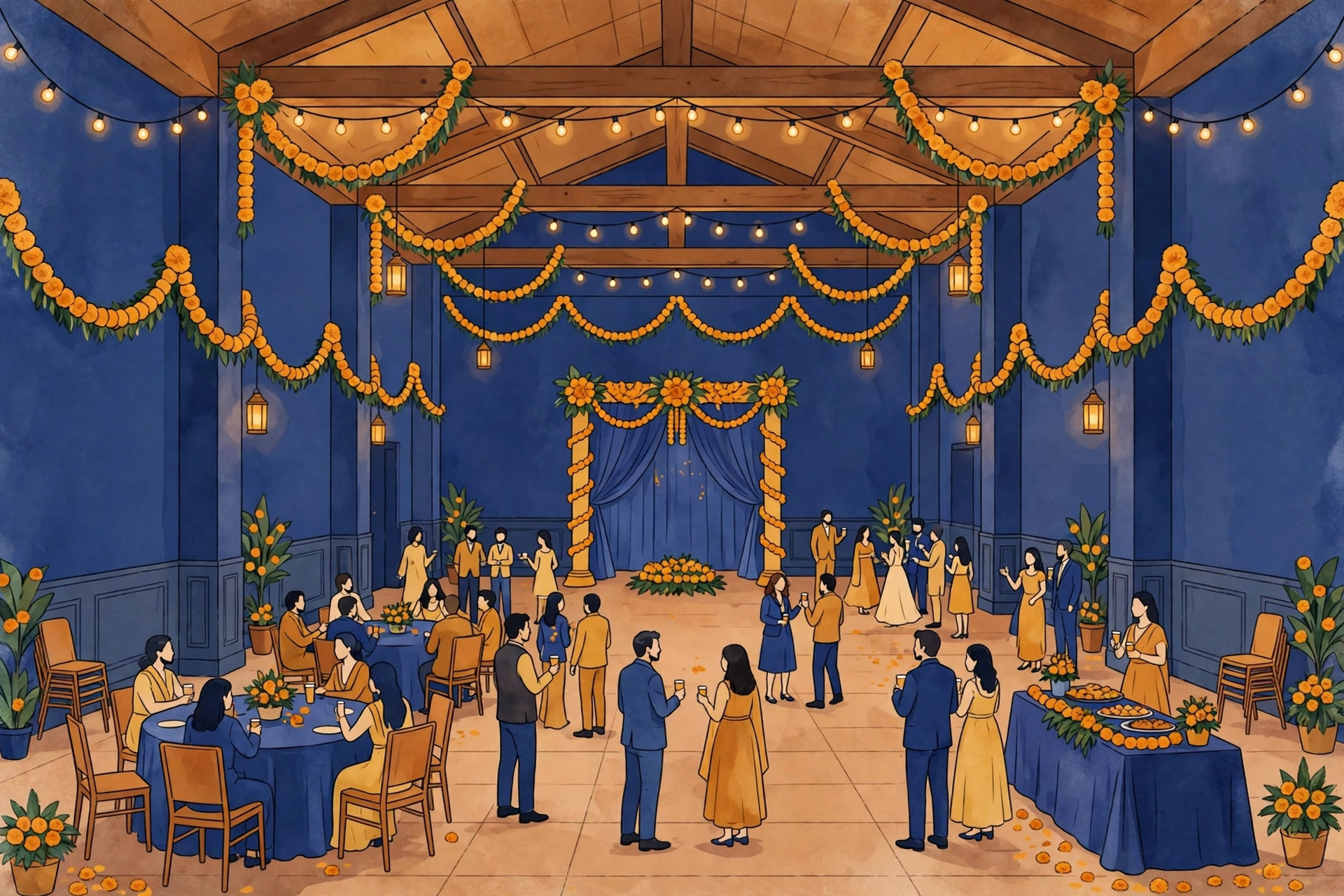
The Dhee Rani Programme is a Punjab government initiative that arranges collective marriages — mass wedding ceremonies — for deserving brides who cannot afford a wedding, and gives each bride financial support and household essentials to start her married life with dignity. It is run by the Social Welfare and Bait-ul-Maal Department, Punjab, and was approved by Chief Minister Maryam Nawaz Sharif.
The idea behind the programme is simple and humane. In many poor families, a daughter’s wedding is the largest expense the family will ever face, and it often forces parents into debt that takes years to repay. Some families delay a daughter’s marriage for years because they cannot afford it. The Dhee Rani Programme removes that burden: the government organises the wedding ceremony itself, provides the venue and the food, and gives the bride a cash gift and household items, so the family does not have to borrow or sell what little it owns.
This is not individual cash assistance paid out regardless of a ceremony. The Dhee Rani Programme is built around the collective wedding event itself. A selected bride participates in a mass wedding ceremony organised by the department, with her family present, and receives her benefits as part of that ceremony. That structure matters for applicants to understand, because the affidavit a bride signs confirms she is willing to participate in the collective wedding — it is not a formality, it is the heart of the programme.
The Dhee Rani Programme operates in phases. The 2025–26 phase was expanded to collective marriages of 5,000 brides across Punjab, and the current 2026–27 phase continues with applications, verification and wedding events scheduled across the province. Because each phase has its own application window, verification schedule and wedding dates, the details in this guide — especially dates and the status of registration — should always be confirmed on the official portal before you apply.
What a Dhee Rani Bride Receives
Each selected bride receives a package of support. The amounts below are as announced for the current phase; because the package has changed between phases, confirm the current figures on the official portal before you apply.
- Rs 200,000 salami (cash gift) from the Chief Minister, loaded on a Bank of Punjab ATM card issued in the bride’s name. Salami is the cash gift traditionally given at a wedding, and here it is given by the government to the bride herself, on a card in her own name.
- A wedding gift worth Rs 121,000, also loaded on an ATM card, as announced for brides married from 19 April 2025. Brides married before that date received household goods worth Rs 206,000 instead of this gift amount.
- A dowry and household package of essential items to help start married life — including items such as a Holy Quran, a prayer mat, a bed with a mattress, a dinner set, a mirror and other basic household necessities.
- The wedding ceremony itself — the venue, the catering and the food, and the organised event — provided by the government, so the family does not have to book a hall or arrange food.
- Up to 20 guests in total, from both families, who may attend the collective wedding ceremony.
A note on the figures, because sources disagree and honesty matters here. Early coverage of the programme’s launch reported a salami of Rs 100,000. The official portal and the department’s later announcements state Rs 200,000. The amount increased between phases, and this guide uses Rs 200,000 as the current figure. The Rs 121,000 gift is listed in the portal’s FAQ and in the department’s advertisement, but one careful check of the portal’s home page in November 2026 found that the home page no longer displayed the Rs 121,000 gift card, while the FAQ still listed it. So treat the Rs 200,000 salami as the confirmed figure, and treat the Rs 121,000 gift as announced but worth confirming on the portal or helpline before you rely on it. The dowry items worth Rs 206,000 were the package for brides married before 19 April 2025, not the current package.
Example — what the support means for a family: A widowed mother in a small town has a daughter of marriageable age and no savings. A wedding would cost her several hundred thousand rupees she does not have, and she has been postponing it for two years. Through the Dhee Rani Programme, her daughter’s wedding is organised by the government, the food and venue are provided, and her daughter receives Rs 200,000 on an ATM card in her own name plus household items to start her new home. The mother does not borrow a single rupee.
Example — why the ATM card matters: The salami is loaded on a Bank of Punjab ATM card in the bride’s name, not handed over as cash to a relative. That detail is deliberate: it means the money belongs to the bride and she can access it herself. Brides should keep their card and PIN safe and never hand them to an agent or a stranger who offers to “help” withdraw the money.
Who Can Apply for the Dhee Rani Programme?
The Dhee Rani Programme is not open to every low-income family. It is targeted at a specific group of brides, and the eligibility rules are strict. According to the official registration portal, a bride qualifies if she meets all of the following conditions:
- She is an orphan, destitute, a person with a disability, or the daughter of a person with a disability. These are the four priority categories. A bride must fall into at least one of them.
- She is between 18 and 40 years old.
- She is unmarried and has a confirmed match (rishta) — the marriage is arranged and ready to take place.
- She is domiciled in Punjab — she must be a resident of Punjab holding a valid Punjab domicile.
- She holds a valid CNIC.
- Brides of every religion can apply. The programme is open to brides of all faiths.
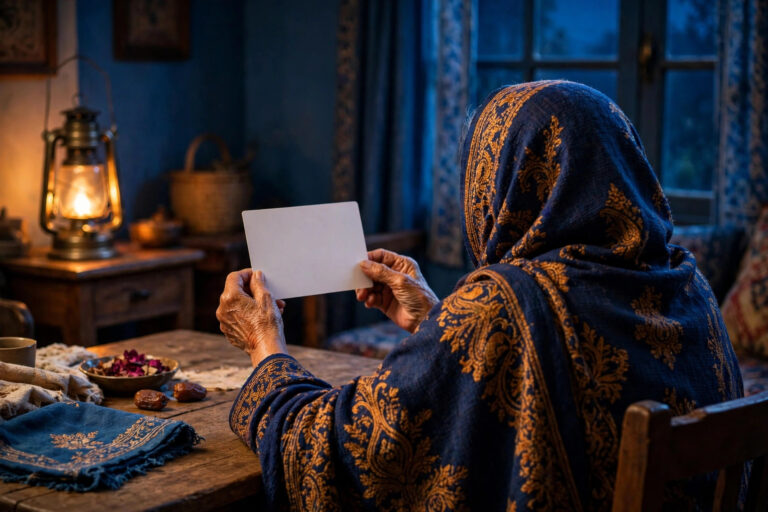
The application does not have to be filed by the bride herself. Her father, mother or legal guardian can submit it on her behalf, or she can apply directly. Whoever applies must also submit an affidavit confirming that the bride is unmarried and willing to participate in the collective wedding ceremony.
Example — an orphan bride: A young woman lost both her parents and lives with her uncle, who earns a daily wage. She is 22, unmarried, and has a confirmed rishta. She qualifies as an orphan bride, and her uncle can submit the application on her behalf with her CNIC, her Punjab domicile and the affidavit.
Example — a daughter of a person with disability: A father who is a person with disability has a 19-year-old daughter ready for marriage. The family cannot afford wedding expenses. Because the bride is the daughter of a person with disability, she qualifies. Her father applies on her behalf through the portal.
Example — a bride who does not qualify: A family is poor and the daughter is 24 and unmarried, but neither parent is a person with disability, the bride is not an orphan, and the family is not classified as destitute under the programme’s criteria. This bride does not meet the programme’s priority categories, even though the family is genuinely struggling. The programme is targeted, not universal — and that is why other support, such as Benazir Kafaalat, matters for families outside its scope.
If applications exceed the available slots in a Dhee Rani Programme phase, selection is done through transparent electronic balloting, using verified poverty data from the Punjab Socio-Economic Registry. That means applying does not guarantee selection — but every eligible application is entered fairly, and no agent can promise you a place.
How to Apply for the Dhee Rani Programme
Registration happens only through the official portal at cmp.punjab.gov.pk. The department has not authorised any other website, agent or individual to process applications. If anyone offers to register you for a fee, or through a different website, that is fraud.
Step 1: Visit the Official Portal
Go to cmp.punjab.gov.pk. This is the only official registration website for the programme. Do not use any other website, even if it looks similar or claims to be an agent of the programme. Check that registration is open — the portal has shown “Registration Closed” during some periods, and a Register button with no last date printed during others. If registration is closed when you check, note the fact and check again, or call the helpline on 1312 for the current status.
Step 2: Create an Account
Register on the portal with the bride’s CNIC and an active mobile number. You will also provide the district and basic details to create the account. Keep the mobile number active — it is how the department will contact you about verification and the wedding date.
Step 3: Fill in the Bride’s and Groom’s Details
Complete the full application with both the bride’s and the groom’s details. Fill in every field carefully and exactly as the documents show — names, CNIC numbers, dates of birth, addresses. A mismatch between the application and the documents is one of the most common reasons for delay.
Step 4: Upload the Documents
Upload the required documents as JPG or PNG files. The documents typically include the bride’s CNIC, her Punjab domicile, proof of her eligibility category (for example, proof of orphan status or disability), and the affidavit confirming she is unmarried and willing to participate in the collective wedding. Make sure each file is clear and readable — a blurred photograph of a document can hold up the whole application.
Step 5: Submit and Note Your Reference
Submit the application and write down your application or reference number. Keep it safe. You will need it to check your application status and to answer any call from the verification team.
Step 6: Verification Visit
After submission, a verification team visits the applicant’s home to confirm the details in the application. In the current phase, thousands of applications have been visited by verification teams and a smaller number fully verified by the Technical Verification Committee. Cooperate with the visit, have your original documents ready, and answer honestly. The verification is how the programme makes sure the support reaches the brides it is meant for.
Other Ways to Apply
If you cannot apply online, the Dhee Rani Programme also accepts applications through the helpline call centre and at your local District Deputy (DD) office help desk. Call 1312 for guidance. The helpline does more than answer general questions — it can guide you through eligibility, registration and checking your application status.
Dhee Rani Programme: Verification, Selection and the Wedding Day
Understanding what happens after you apply prevents anxiety and prevents fraud. The process has clear stages, and knowing them means you will recognise a fake message when you see one.
- Application. You apply through the portal, the call centre or the DD office help desk. Registration is free.
- Verification visit. A verification team visits your home to confirm the details. Thousands of applications in the current phase have reached this stage.
- Technical Verification Committee. Verified applications are reviewed by the Technical Verification Committee. This is the final check before selection.
- Selection. If applications exceed the available slots, selection is done through transparent electronic balloting. No one can buy or arrange a place.
- Wedding event. Selected brides are assigned to a collective wedding event. The current phase’s dashboard lists tentative wedding events running from November 2026 to March 2027, across districts of Punjab.
- Benefits. The bride receives her salami and gift on a Bank of Punjab ATM card in her own name, and the household package, as part of the ceremony.
You can check your application status on the portal using your reference number. The portal’s dashboard also shows the overall progress of the phase — how many applications have been received, visited and verified. Do not trust any SMS, WhatsApp message or phone call that claims you have been selected and asks you to pay a fee or share your ATM PIN. Selection is announced through the official portal, and registration and selection are completely free.
Dhee Rani Programme vs BISP Kafaalat
Many families ask how the Dhee Rani Programme relates to BISP. They are different programmes, run by different governments, for different purposes — but a family can benefit from both.
| Dhee Rani Programme | BISP Kafaalat | |
|---|---|---|
| Run by | Social Welfare and Bait-ul-Maal Department, Punjab | Benazir Income Support Programme (federal) |
| Who it is for | Orphan, destitute, disabled brides (or daughters of disabled persons), aged 18–40, in Punjab | Low-income households registered with BISP |
| Main support | Collective wedding, Rs 200,000 salami on an ATM card, gift and household items | Quarterly cash payment |
| How to apply | Online at cmp.punjab.gov.pk, call centre, or DD office help desk | BISP registration and dynamic survey |
| How often | Once, for the bride’s wedding | Quarterly, while the household remains eligible |
| Can you receive both? | Yes — a BISP beneficiary family can also apply for Dhee Rani | Yes — Kafaalat does not block Dhee Rani |
A BISP beneficiary family with a daughter who meets the Dhee Rani criteria should apply for both: Kafaalat supports the household every quarter, and Dhee Rani covers the one-off cost of the daughter’s wedding. The Kafaalat payment is Rs 14,500 per quarter for the Oct–Dec 2026 cycle, per the government’s June 2026 announcement, rising to Rs 18,000 planned from January 2027 — check the exact amount for your cycle on the 8171 portal. Check your BISP status on the 8171 portal at 8171.bisp.gov.pk, or by checking your BISP registration by CNIC.
Other Punjab welfare programmes may also help the same family. A widow, for example, may qualify for the Widow Sahara Card scheme, and a family with livestock may benefit from the Chief Minister Punjab Livestock Card. Each programme has its own rules, so check each one separately rather than assuming that qualifying for one means qualifying for another.
Dhee Rani Programme: Common Mistakes and Fraud Warning
- Paying an agent to register you. Registration is completely free. Anyone who asks for a fee to register you for the Dhee Rani Programme is committing fraud.
- Applying through a fake website. Only cmp.punjab.gov.pk is official. Any other website claiming to register you is not authorised.
- Sharing your ATM card or PIN. The salami is loaded on a Bank of Punjab ATM card in the bride’s name. Never hand the card or the PIN to anyone who offers to “help” withdraw the money.
- Trusting a selection SMS that asks for money. Selection is announced through the official portal. No genuine selection message asks you to pay anything or share a code.
- Applying when you do not meet the criteria. The programme is targeted at orphan, destitute, disabled brides or daughters of disabled persons. Applying without meeting the criteria wastes your time and the verification team’s time.
- Uploading blurred documents. A photograph of a document that cannot be read will delay or reject the application. Photograph each document in good light and check it before uploading.
- Forgetting the affidavit. The affidavit confirming the bride is unmarried and willing to participate in the collective wedding is a required part of the application. Prepare it before you start.
- Assuming registration is always open. The portal has been closed during some periods. Check the current status on the portal or call 1312 before you travel or make plans around a date.
If you receive a suspicious message about any government programme, remember the general rule that applies to BISP as well: never pay anyone to release a benefit, and never share your PIN, OTP or card details. Our guide on BISP 8171 scam messages, fake agents and how to report fraud explains the warning signs and how to report.
Dhee Rani Programme: Common Questions
Who can apply for the Dhee Rani Programme? A bride who is an orphan, destitute, a person with disability or the daughter of a person with disability, aged 18 to 40, unmarried, domiciled in Punjab, holding a valid CNIC, and with a confirmed match. Brides of every religion can apply. Her father, mother or legal guardian can apply on her behalf.
How much does a Dhee Rani Programme bride receive? As announced for the current phase, each selected bride receives Rs 200,000 as salami on a Bank of Punjab ATM card in her name. A wedding gift of Rs 121,000 on an ATM card has also been announced for brides married from 19 April 2025, plus a household package — but confirm the gift figure on the official portal or helpline before relying on it, because the portal’s own pages have shown it inconsistently. Brides married before 19 April 2025 received household goods worth Rs 206,000 instead.
How do I apply for the Dhee Rani Programme? Register online at cmp.punjab.gov.pk with the bride’s CNIC and a mobile number, fill in the bride’s and groom’s details, upload the documents as JPG or PNG files, and submit. You can also apply through the helpline call centre or at your local District Deputy office help desk. Call 1312 for guidance.
Is registration free? Yes. Registration, verification and selection in the Dhee Rani Programme are completely free. Anyone asking for a fee in the programme’s name is committing fraud.
How are brides selected? Applications are verified by a home visit and reviewed by the Technical Verification Committee. If applications exceed the available slots, selection is done through transparent electronic balloting, using verified poverty data from the Punjab Socio-Economic Registry.
How many guests can attend the wedding? Up to 20 people in total, from both families, may attend the collective wedding ceremony.
Is the programme available outside Punjab? No. The Dhee Rani Programme is a Punjab government initiative, and the bride must be domiciled in Punjab. Families in other provinces should look for their own provincial programmes or for federal support such as BISP.
When are the weddings held? Wedding events are scheduled in phases. The current phase’s dashboard lists tentative wedding events from November 2026 to March 2027. Confirm the date for your district on the official portal or by calling 1312.
Before You Apply: Dhee Rani Programme Checklist
- ☐ The bride is 18–40, unmarried, domiciled in Punjab, and falls into one of the four categories (orphan, destitute, person with disability, or daughter of a person with disability).
- ☐ The bride has a valid CNIC and a confirmed match (rishta).
- ☐ I have checked that registration is currently open on cmp.punjab.gov.pk, or I have called 1312 to confirm.
- ☐ I have the bride’s CNIC, Punjab domicile and eligibility proof ready as clear JPG or PNG files.
- ☐ I have the affidavit confirming the bride is unmarried and willing to participate in the collective wedding.
- ☐ I have an active mobile number for contact about verification and the wedding date.
- ☐ I understand that selection may be by electronic balloting if applications exceed the slots.
- ☐ I will never pay anyone a fee, and I will never share an ATM PIN or OTP with anyone.
Conclusion
The Dhee Rani Programme is one of the most direct forms of help a Punjab government offers to its poorest families: it takes the single largest expense in a daughter’s life — her wedding — and carries it, so a family does not have to go into debt to marry off its daughter with dignity. A selected bride receives Rs 200,000 as salami on an ATM card in her own name, a gift and household essentials, and a wedding ceremony organised by the government, with her family present.
But the Dhee Rani Programme is a targeted programme, not a universal one. It is for orphan, destitute and disabled brides and daughters of disabled persons, aged 18 to 40, domiciled in Punjab — and selection is by verification and, where needed, electronic balloting. If your daughter qualifies, apply only through the official portal at cmp.punjab.gov.pk or the helpline on 1312, prepare the documents and the affidavit before you start, and never pay anyone a fee. And if your daughter does not qualify, do not lose heart: check your BISP status on the 8171 portal at 8171.bisp.gov.pk, or by checking your BISP status by CNIC online, because Kafaalat and other Punjab programmes may still help your family. A wedding should be a celebration, not a debt — and for the brides this programme reaches, that is exactly what it becomes.