
NADRA Smart CNIC — Easy Step-by-Step Guide to Fee, Documents & How to Apply in 2026
This is not an official NADRA or BISP website. This guide is independent, general information about the NADRA Smart CNIC. For official information, confirm on NADRA’s official website at nadra.gov.pk or at your nearest NADRA centre. For BISP matters, always use the 8171 portal at 8171.bisp.gov.pk or the BISP helpline on 0800-26477.
What Is the NADRA Smart CNIC?
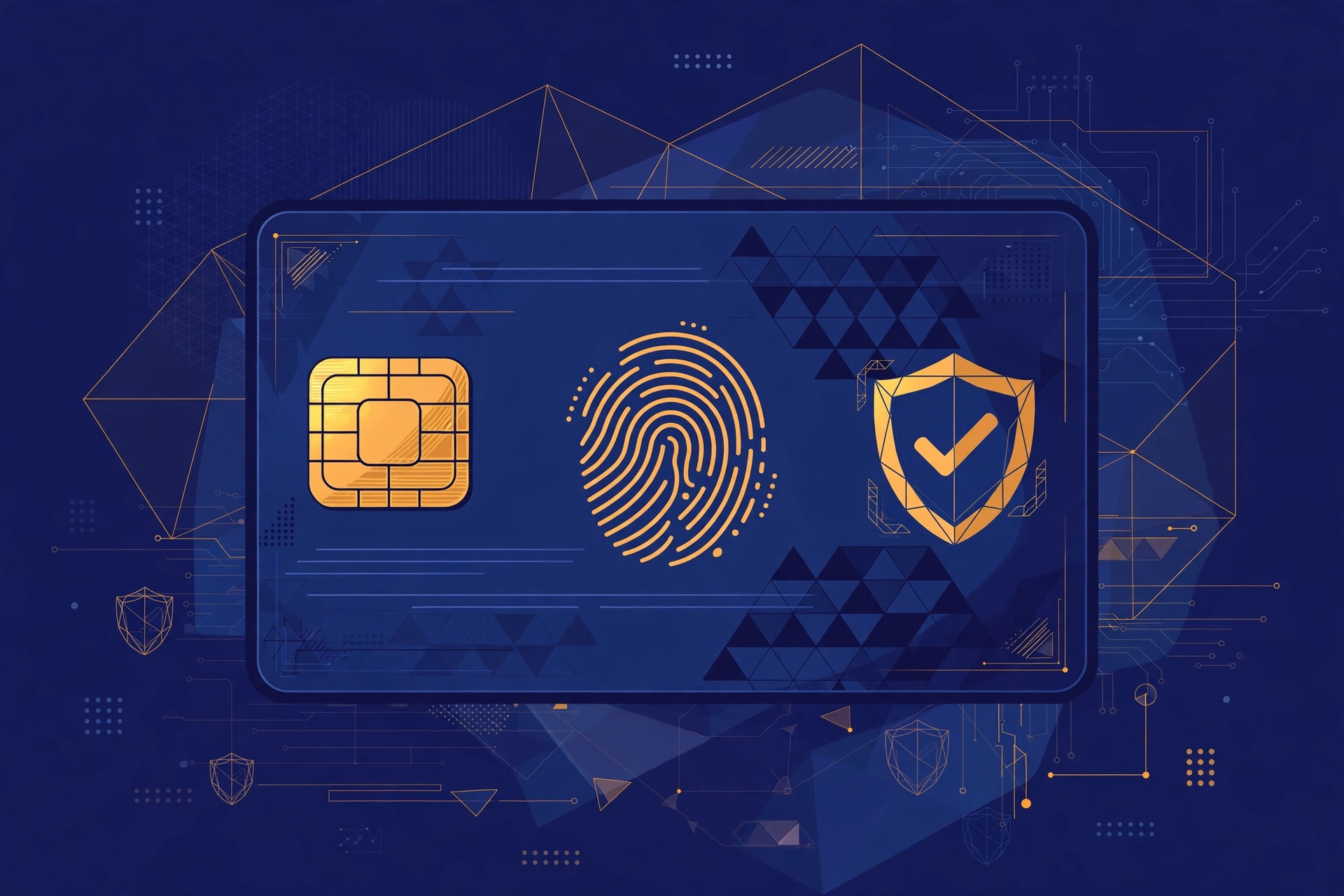
The NADRA Smart CNIC is the chip-based national identity card issued by NADRA, the National Database and Registration Authority, to Pakistani citizens aged 18 and above. It is the modern version of the familiar CNIC: the same 13-digit identity number, the same legal status as proof of identity and citizenship, but built on a polycarbonate card with an embedded microchip instead of the older laminated paper-style card. That chip is the whole point of the NADRA Smart CNIC. It stores your biometric and personal data securely on the card itself, it can be read electronically by a card reader, and it makes the card far harder to forge, copy, or tamper with than the old card.
If you already hold an old-style CNIC, you do not lose anything by moving to a NADRA Smart CNIC. Your 13-digit number stays exactly the same, your NADRA family record stays the same, and every place that accepted your old CNIC — your bank, your mobile company, your BISP payments, your passport office — accepts the NADRA Smart CNIC as well. What changes is the card in your pocket: it is stronger, it lasts longer, it carries the chip, and it works with the electronic verification systems that banks, government offices, and service providers are increasingly using. NADRA now issues the Smart card as its standard, and guides checked in 2026 describe the traditional non-chip CNIC as being phased out, with all new applications receiving a Smart card by default.
The NADRA Smart CNIC matters for everyday life in ways that go beyond simply having an identity card. You need a valid CNIC to open a bank account, to register a SIM card in your name, to apply for a passport, to get a driving licence, to register for BISP or any other government programme, to buy or sell property, and to vote. When your card expires, is lost, or carries wrong information, all of those things can stop at once. A BISP beneficiary whose CNIC has expired, for example, can find a payment blocked until the card is renewed — and renewing to a NADRA Smart CNIC is the route most people now take. That is why this guide covers the NADRA Smart CNIC in full: what it is, how it differs from the old card, what it costs, what documents you need, and exactly how to apply, renew, modify, or replace it, at a centre or through the Pak ID app.
One warning belongs at the very start. NADRA never asks you to pay an agent outside a centre, never sells a NADRA Smart CNIC through WhatsApp or Facebook, and never asks for your CNIC number and fingerprints through a link sent on social media. Every genuine application goes through a NADRA Registration Centre, a NADRA Mega Centre, or the official Pak ID app and the Pak Identity portal at id.nadra.gov.pk. If anyone offers you a NADRA Smart CNIC for a large fee, or promises one without biometrics, that is fraud. The official fees are listed in this guide, and they are the only fees you should ever pay.
Who Needs a NADRA Smart CNIC?
Every Pakistani citizen aged 18 and above is eligible for a national identity card, and the NADRA Smart CNIC is the card NADRA now issues as standard. You need one in any of the following situations, and each one is a different type of application in NADRA’s system, although the fee is the same for most of them.
- First card at 18. When you turn 18, you apply for your first card. If you had a B-Form as a child, NADRA converts that record into your adult card, and your 13-digit number stays the same. A first-time standard CNIC under normal processing is free, but a first-time NADRA Smart CNIC costs Rs 750 under normal processing, because the chip card itself costs more to make. This is an important difference, and it is explained in the fee section below.
- Renewal. Cards are issued with a validity period — as reported in 2026 guides, a Smart card carries a 10-year validity — and when yours expires you must renew it. Renewal of a NADRA Smart CNIC costs the same as a new one: Rs 750 normal, Rs 1,500 urgent, Rs 2,500 executive, as listed on NADRA’s fee page as of late 2026.
- Conversion from the old CNIC. If you still hold the old non-chip CNIC, you can convert it to a NADRA Smart CNIC. Your number does not change. This is the most common reason older cardholders visit NADRA now, because banks and government offices increasingly prefer the chip card, and because the old card is being phased out.
- Modification. If your name, father’s name, marital status, address, or another detail on your card is wrong or has changed, you apply for a modification. The fee for modifying a NADRA Smart CNIC is the same as for a new one, and you will need the supporting document for the change — for example, a Nikah Nama for a marital-status change, or a utility bill for an address change.
- Duplicate or lost card. If your card is lost, stolen, or damaged, you apply for a duplicate. You should report a lost card and apply promptly, because a lost NADRA Smart CNIC in the wrong hands can be misused for SIM registration or fraud.
Example — turning 18 and getting the first card: Ahmed turns 18 in Lahore. He has his childhood B-Form, and his father has a valid CNIC. His father starts the application from his own Pak ID app account, and then Ahmed and his father both go to the NADRA centre together, because NADRA must take Ahmed’s photograph and fingerprints and his father must verify him by biometrics. Ahmed chooses the NADRA Smart CNIC and pays Rs 750 for normal processing. His 13-digit number is the same one that was on his B-Form.
Example — a blocked BISP payment because the card expired: A BISP beneficiary woman in Multan goes to collect her quarterly Kafaalat payment and is told her CNIC has expired, so the payment cannot be released. She visits the NADRA centre, renews her card as a NADRA Smart CNIC, and once the new card is active her payment can be processed. The delay cost her weeks, and it could have been avoided by checking the expiry date on the card a month earlier.
Example — converting the old card before a bank visit: A shopkeeper in Rawalpindi still carries the old laminated CNIC. His bank asks him to update his account record and prefers the chip card for verification. He applies for a conversion to a NADRA Smart CNIC, keeps the same 13-digit number, and his bank record, SIM registration, and BISP record all continue to work on the same number.
The lesson in all three examples is the same: the NADRA Smart CNIC is not a luxury upgrade. It is the current standard card, it uses the same number you already have, and keeping it valid protects everything else that depends on your identity — your bank account, your SIM, and your BISP payments.
NADRA Smart CNIC vs Normal CNIC — What Is Different?
The most common question people ask is what actually changes when they move from the old card to a NADRA Smart CNIC. The answer is: the number, the legal validity, and the uses are the same; the card itself, its security, and the fee are different. The table below compares the two, using the fee and feature details reported from NADRA’s fee structure in 2026.
| Feature | Normal (old) CNIC | Smart CNIC |
|---|---|---|
| Card material | Teslin-based laminated card | Polycarbonate card with embedded microchip |
| Chip | No chip | Embedded microchip storing biometric and personal data |
| Verification | Manual, visual check only | Electronic chip reading, NFC, and machine-readable zone, as reported |
| Security | Photograph, signature, hologram | Microchip, hologram, biometric data, and multi-layer security printing |
| Durability | Standard; wears and bends more easily | Enhanced; chip-based cards resist wear and tampering |
| Digital use | Limited to showing the card | Works with electronic verification readers and digital systems |
| 13-digit number | Same number | Same number — nothing changes |
| Legal validity | Same | Same |
| New card fee (normal) | Free for first-time issue | Rs 750 |
| Renewal fee (normal) | Rs 400, as listed | Rs 750 |
| Modification fee (normal) | Rs 400, as listed | Rs 750 |
| Normal processing time | About 15 days, as listed | About 31 days, as listed |
Two points in that table deserve emphasis. First, the Smart CNIC costs more and takes longer — Rs 750 instead of free for a first card, and about 31 days instead of about 15 days for normal processing — because the chip card requires extra manufacturing steps. If you need the card urgently, the urgent and executive categories shorten the wait, but they cost more, as the fee table below shows. Second, once you hold a Smart CNIC, you cannot switch back to the old card: future renewals are charged at Smart card rates. That is worth knowing before you choose, although for most people the Smart card is the right choice, because it is NADRA’s current standard and the old card is being phased out.
There is also a third version mentioned in 2026 guides: a CNIC with a QR code, which allows instant digital verification by scanning the code with a phone. The details of that version — exactly when it is issued and at what fee — were not confirmed clearly enough in this session’s sources to state as fact, so this guide does not present it as a separate option you can choose. If a NADRA centre offers you a QR-code card, ask the staff to explain it at the counter and confirm the fee before you pay.
Smart CNIC Documents Required
Before you go to a NADRA centre or open the Pak ID app, gather your documents. A missing paper is the most common reason for a wasted trip, so check this list twice and carry originals plus one photocopy of each.
- Your B-Form (Child Registration Certificate), if you have one. For a first card at 18, your B-Form is the key document: NADRA uses the same 13-digit number for your Smart CNIC. If you have lost your B-Form, get a replacement first — our guide to the NADRA B-Form explains the process, fee, and documents.
- A computerised birth certificate from your Union Council, Municipal Committee, or Cantonment Board. If you have no B-Form, NADRA’s policy lists a verified computerised birth certificate as the alternative for a first registration. A hospital birth slip alone is not enough.
- A parent’s or blood relative’s CNIC. For a first card, a parent or sibling over 18 (father, mother, brother, or sister) must be present with their CNIC for biometric verification. According to NADRA’s policy as reported in 2026, a spouse or children cannot verify a first registration. If no blood relative is available, the form must be attested by an authorised officer.
- Your old CNIC, for renewal, conversion, or modification. Bring the original card. NADRA will keep a record of it and issue the new Smart CNIC on the same number.
- Supporting documents for a modification. A Nikah Nama for a change of marital status, a utility bill or rent agreement as proof of address, or the relevant certificate for a name or date-of-birth correction. Age corrections carry their own fee scale, which is higher for larger changes, as reported — confirm the exact fee at the centre.
- Your CNIC number and a working mobile number. You will need these for the application, for SMS tracking, and for the Pak ID app account.
Example — the missing B-Form: A young man in Faisalabad goes to NADRA for his first card but has lost his childhood B-Form and has no birth certificate with him. He is sent home to get one first. He obtains a computerised birth certificate from his Union Council, returns with his father, and the application goes through in one visit. The lesson: sort out the B-Form or birth certificate before you queue at NADRA, not after.
If your parents’ NADRA record is out of date — for example, your parents’ marriage was never updated in NADRA’s system — the application can stall. Check that your family’s NADRA record is correct before you apply. You can confirm your own record through our guide to checking your NADRA CNIC number verification online, and if your BISP record also needs updating, read our guide on how to update your CNIC, mobile number, or address in BISP records.
Smart CNIC Fee 2026
The fee for a Smart CNIC depends on one thing: how fast you want it. NADRA lists three processing categories — Normal, Urgent, and Executive — and the fee is the same whether you are applying for a new card, renewing, modifying, or getting a duplicate. The table below follows NADRA’s fee page as reported in September to November 2026. Fees can be revised, so confirm the current fee on NADRA’s official website or at your nearest NADRA centre before you pay, and always keep your payment receipt.
| Category | Smart CNIC fee | Processing time, as listed |
|---|---|---|
| Normal | Rs 750 | 31 days |
| Urgent | Rs 1,500 | 23 days |
| Executive | Rs 2,500 | 9 days |
For comparison, the old non-chip CNIC costs Rs 400 for renewal or modification under normal processing (about 15 days), and a first-time old-style CNIC under normal processing is free. The Smart CNIC has no free tier: even a first card costs Rs 750 under normal processing. That is the price of the chip card itself, and it is worth knowing before you choose, so that nobody at or outside the centre can overcharge you.
A few things to understand about the fee table. First, the processing time is counted from when your payment is confirmed, not from the day you first visit the centre, according to the fee guides checked in 2026. Second, some secondary guides list slightly different timelines for the same categories — for example, one guide lists urgent as 15 days and executive as 7 days, while the fee-page summary used here lists 23 and 9 days. The fees agree across sources (Rs 750 / Rs 1,500 / Rs 2,500); the day counts differ by source, so treat the day counts in the table above as “as listed” and confirm the expected delivery date on your receipt at the centre. Third, there may be a separate delivery charge if you want the card delivered to your home — confirm this at the counter, because it was not confirmed clearly enough in this session’s sources to state as a fixed figure here.
Be careful about agents. Some agents outside NADRA centres offer to arrange a Smart CNIC for Rs 5,000 or more. The official normal fee is Rs 750. Never pay an agent a large fee for a card you can get yourself for Rs 750. If anyone demands extra money in NADRA’s name, that is fraud — do not pay, and report it. You can also read our guide on BISP scam messages and fake agents to learn how these frauds usually work, because the same tricks are used for NADRA documents.
How to Apply for a Smart CNIC — Step by Step
You have two routes: in person at a NADRA Registration Centre, or online through the Pak ID app and the Pak Identity portal at id.nadra.gov.pk. A first card cannot be completed fully online, because NADRA must take your photograph and fingerprints in person and a blood relative must verify you. Renewals, modifications, reprints, and conversions, however, can often be started — and sometimes completed — online. The steps below cover both routes.
Step 1: Decide Which Application You Need
Before anything else, be clear about your application type: new (first card), renewal, conversion from the old CNIC, modification, or duplicate. The documents and the fee category are the same for most types, but the supporting papers differ — a modification needs the document that proves the change, a first card needs a B-Form or birth certificate and a blood relative, and a duplicate needs you to explain that the old card is lost or damaged. Choosing the wrong type at the counter wastes a visit, so decide before you go.
Step 2: Gather Documents and Check Your Family Record
Collect the documents listed above, carry originals and one photocopy of each, and make sure your NADRA family record is correct. If your B-Form is missing, get it replaced first. If your address has changed, decide whether to update it in the same application. If you are applying for a first card, arrange for your father, mother, brother, or sister to come with you — they must be present for biometric verification.
Step 3: Visit the NADRA Centre or Open the Pak ID App
For the in-person route, find your nearest NADRA Registration Centre using the centre locator on nadra.gov.pk, and go early in the day — centres are usually busiest in the morning. Take a token at the entrance and wait for your turn. For the online route, download the official Pak ID app — listed as “Pak Identity” on Google Play and the App Store — from the official store only, never from a random website or an APK link sent on WhatsApp. Create an account or log in with your CNIC, mobile number, and email.
Step 4: Fill in the Application and Give Biometrics
At the centre, the staff will check your documents and fill in the application, then take your photograph, fingerprints, and signature. In the app, you select the Smart card service, fill in your details exactly as they appear on your documents, and upload the documents the app asks for. Read the form carefully before it is submitted — check the spelling of your name, your father’s name, your date of birth, and your address. A mistake caught here costs nothing; a mistake found later means a modification application, another fee, and another visit.
Step 5: Pay the Fee and Keep the Receipt
Pay Rs 750 for normal processing, Rs 1,500 for urgent, or Rs 2,500 for executive — as listed on NADRA’s fee page as of late 2026 — and keep the receipt safe. The receipt carries your tracking number, and you will need it to collect the card or to ask about a delay. If you applied through the app, keep the digital receipt as well. Never pay through a link sent on WhatsApp or Facebook; pay only at the centre counter or through the official app’s payment options.
Step 6: Track Your Smart CNIC and Collect It
Your Smart CNIC is delivered by post to your registered address, or you can collect it from the centre, depending on the option you chose. Track it through the Pak Identity portal using your tracking ID, or by SMS — as reported in 2026 guides, you can send your CNIC number to 8300 for a status check, or your tracking ID to 8400. Both SMS numbers are as reported in secondary guides, so confirm them at the centre if they do not work. When the card arrives, check it immediately: name spelling, father’s name, date of birth, address, and the 13-digit number. If anything is wrong, point it out at once and ask for a correction.
Converting Your Old CNIC to a Smart CNIC
Conversion is the simplest Smart CNIC application, because NADRA already has your record. You bring your old CNIC, your photograph and fingerprints are taken again, you pay the Smart card fee, and a new chip card is issued on the same 13-digit number. There is no need for a B-Form, no need for a blood relative to verify you, and no new registration — it is a re-issue of a record that already exists.
Example — conversion in one visit: A woman in Islamabad has carried the old CNIC for fifteen years. She takes it to a NADRA Mega Centre, her biometrics are updated, she pays Rs 750 for normal processing, and her Smart CNIC arrives by post a few weeks later on the same number. Her bank account, her SIM, and her children’s B-Forms all still link to the same number, because the number never changed.
Do the conversion before your old card expires if you can. An expired card can block a bank transaction, a SIM-related service, or a BISP payment, and a renewal after expiry takes the same time as a renewal before expiry — there is no shortcut for waiting. If your card is already expired, apply as soon as possible, and keep the receipt: the receipt proves you have applied, even though it is not a substitute for the card itself. If you later need a document that summarises your whole family — for a visa, sponsorship, or inheritance matter — read our guide to the Family Registration Certificate, which is built on the NADRA family record your Smart card also uses.
Renewing and Modifying a Smart CNIC Through the Pak ID App
The Pak ID app is the official online route for NADRA services, and it is the right choice when your record already exists — a renewal, a modification, a reprint, or a conversion. A first card is different: a parent or blood relative can start it from their own Pak ID account, but you and that relative must both go to a NADRA centre to finish it, because NADRA has to take your photograph and fingerprints in person. That rule is stated in NADRA’s Pak ID guidance as reported in November 2026, and it catches many first-time applicants by surprise, so plan for the centre visit from the start.
- Download the official Pak ID app from Google Play or the App Store. Only use the app published by NADRA. Never download it from a random website or an APK link sent on WhatsApp.
- Create an account or log in with your CNIC, mobile number, and email, and verify your mobile number.
- Select the Smart card service — new, renewal, modification, or duplicate — and choose your processing category: Normal, Urgent, or Executive.
- Fill in your details exactly as they appear on your existing NADRA record and supporting documents. For a modification, upload the document that proves the change.
- Give biometrics if the app asks for them. Some services need a fresh biometric check, and the app will tell you if a centre visit is needed.
- Pay the fee through the app’s payment options — Rs 750, Rs 1,500, or Rs 2,500 for a Smart CNIC, as listed — and keep the digital receipt.
- Track and collect the card through the app or the Pak Identity portal at id.nadra.gov.pk, using your tracking ID.
A note of caution: if the app asks you to visit a centre, that is normal — it is not an error. Biometric capture, photograph, and verification often still need an in-person step, especially for a first card or a major modification. Do not pay anyone who claims they can finish a first-card application for you entirely online without a centre visit.
Common Mistakes to Avoid With a Smart CNIC
- Assuming the first Smart card is free. The first old-style CNIC is free under normal processing, but a Smart CNIC costs Rs 750 even the first time. Budget for it.
- Choosing the wrong processing category. Normal takes about 31 days as listed. If you need the card for a passport, a bank deadline, or a BISP payment, consider Urgent or Executive — and confirm the expected delivery date on your receipt.
- Going without the B-Form or birth certificate for a first card. NADRA cannot issue a first Smart CNIC without your B-Form or a verified computerised birth certificate. Sort it out first.
- Leaving your blood relative at home for a first card. A parent or sibling over 18 must be present for biometric verification. A spouse or children cannot verify a first registration, as reported in NADRA’s policy.
- Not checking the form before it is submitted. Read the name spelling, date of birth, and address on the screen or printout at the counter. Corrections later mean a new modification application and a new fee.
- Paying an agent outside the centre. The official normal fee is Rs 750. Agents who charge thousands are not NADRA staff.
- Using a fake or lookalike app. Only the official Pak ID app published by NADRA. Never pay through a link sent on WhatsApp or Facebook.
- Losing the receipt. Without the tracking number, collecting the card or asking about a delay becomes difficult.
Smart CNIC and BISP Payments
For BISP beneficiary families, the Smart CNIC is not just an identity card — it is the key to the payment. Your BISP record is built on your 13-digit CNIC number, your biometric verification at the payment point uses the fingerprints NADRA holds for that number, and an expired or blocked CNIC can stop a payment entirely. If your payment is ever blocked because your CNIC has expired, read our guide on how to unblock a BISP payment when your CNIC has expired — it explains the steps in detail.
Keep your NADRA record and your BISP record in step with each other. If you change your mobile number or address, update both: NADRA at the centre or through the Pak ID app, and BISP through our guide on updating your CNIC, mobile number, or address in BISP records. If you are unsure about your BISP status, you can check your BISP status by CNIC online or check your BISP registration by CNIC before you visit a payment point, so that you arrive knowing whether a problem is with your card or with your BISP record.
The Kafaalat payment itself is separate from the card: BISP Kafaalat is Rs 14,500 per quarter for the Oct–Dec 2026 cycle, per the government’s June 2026 announcement, rising to Rs 18,000 planned from January 2027 — check the exact amount for your cycle on the 8171 portal. A new Smart CNIC does not change your Kafaalat amount, and it does not make you eligible or ineligible for BISP. What it does is keep the door open: a valid card, with matching fingerprints, is what lets you pass biometric verification and collect the payment you are already entitled to.
Example — fingerprints that no longer match: An elderly woman’s fingerprints have worn with age and hard work, and biometric verification at the payment point keeps failing. She visits NADRA, updates her biometrics, and gets a new Smart CNIC with fresh fingerprints on record. At the next payment cycle, verification succeeds. If biometric verification keeps failing for you, read our guide on why biometric verification fails at the BISP payment point and how to fix it before your next visit.
Your Smart CNIC Checklist
- I know my application type — new, renewal, conversion, modification, or duplicate.
- I have my B-Form or computerised birth certificate (for a first card) or my old CNIC (for renewal or conversion).
- My blood relative is coming with me (mandatory for a first card).
- I have originals and one photocopy of every document.
- I know the fee — Rs 750 normal, Rs 1,500 urgent, Rs 2,500 executive — and I will confirm it at the centre.
- I will check the name spelling, date of birth, and address on the form before it is submitted.
- I will keep the payment receipt safe for tracking and collection.
- I have noted my card’s expiry date so I can renew it before it lapses.
Common Questions
What is the Smart CNIC fee in 2026?
As listed on NADRA’s fee page as of late 2026, a Smart CNIC costs Rs 750 for normal processing (about 31 days), Rs 1,500 for urgent (about 23 days), and Rs 2,500 for executive (about 9 days). The same fee applies to a new card, renewal, modification, or duplicate. Fees can change — confirm the current fee at your nearest NADRA centre before you pay.
Is the first Smart CNIC free?
No. A first old-style CNIC under normal processing is free, but a Smart CNIC costs Rs 750 even the first time, because the chip card costs more to make. Do not let anyone tell you a Smart card is free and then charge you a hidden fee.
What is the difference between a Smart CNIC and a normal CNIC?
The 13-digit number, legal validity, and uses are the same. The Smart CNIC is a polycarbonate card with an embedded microchip that stores your biometric data, supports electronic verification, and is harder to forge. The old card is a laminated card with no chip, and it is being phased out.
How long does a Smart CNIC take?
As listed on NADRA’s fee page as reported in late 2026, normal processing takes about 31 days, urgent about 23 days, and executive about 9 days. Some secondary guides list shorter day counts for urgent and executive, so confirm the expected delivery date on your receipt at the centre. Processing time is counted from when payment is confirmed.
Can I apply for a Smart CNIC online?
Yes, partly. Renewals, modifications, reprints, and conversions can be started through the Pak ID app or the Pak Identity portal at id.nadra.gov.pk. A first card can be started by a blood relative in the app, but you and that relative must both visit a NADRA centre to finish it, because NADRA must take your photograph and fingerprints in person.
What documents are needed for a Smart CNIC?
For a first card: your B-Form or a verified computerised birth certificate, and a parent or sibling over 18 with their CNIC for biometric verification. For renewal or conversion: your old CNIC. For a modification: the document that proves the change, such as a Nikah Nama or utility bill.
Does my CNIC number change when I get a Smart CNIC?
No. Your 13-digit number stays exactly the same whether you get a first card, renew, convert, or modify. Your bank account, SIM, passport record, and BISP record all continue on the same number.
What if I lose my Smart CNIC?
Apply for a duplicate at a NADRA centre or through the Pak ID app. The fee is the same as for a new card — Rs 750 normal, as listed. Report the loss promptly, and keep your receipt and tracking number safe.
Conclusion
The Smart CNIC is the current standard identity card in Pakistan: the same 13-digit number you already have, on a stronger chip-based card that works with electronic verification and is far harder to forge than the old card. The fee is Rs 750 for normal processing, Rs 1,500 for urgent, and Rs 2,500 for executive, as listed on NADRA’s fee page as of late 2026, and the process takes one prepared visit if you arrive with the right documents — your B-Form or birth certificate for a first card, your old CNIC for a renewal or conversion, and a blood relative with you if it is your first card.
The most common reason people struggle is not the process itself. It is arriving without the B-Form, leaving a verifying relative at home, assuming the Smart card is free, or trusting an agent who charges many times the official fee. Check your documents, check the form before it is submitted, keep your receipt, and renew before your card expires. If you are a BISP beneficiary, confirm your status on the 8171 portal at 8171.bisp.gov.pk, keep your NADRA and BISP records in step, and never pay anyone outside a NADRA centre for a card you can get yourself for Rs 750.