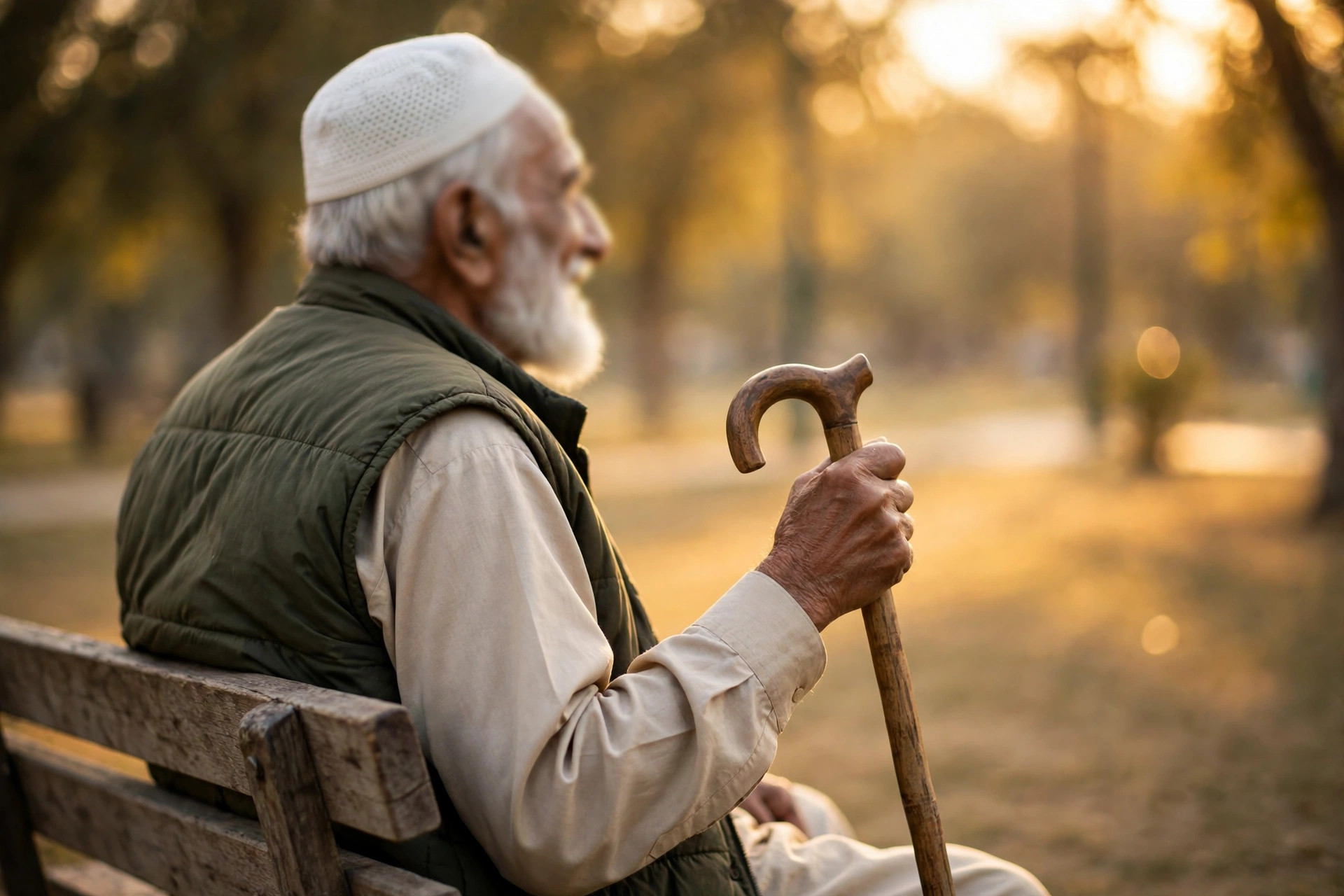
Punjab Ba-Himmat Buzurg Programme 2026 — Easy Guide to Rs 2,000 Monthly Pension for Seniors 65+
This is not an official Punjab government website. This guide is independent, general information about the Punjab Ba-Himmat Buzurg Programme. For official information, always check the Punjab Social Protection Authority at pspa.punjab.gov.pk or call the PSPA helpline 1221 before you rely on any figure.
What Is the Punjab Ba-Himmat Buzurg Programme?
The Punjab Ba-Himmat Buzurg Programme is a social pension for poor elderly people in Punjab — a monthly payment to men and women aged 65 and above who have no pension, no regular income, and no other government support to fall back on. The Punjab Ba-Himmat Buzurg Programme pays Rs 2,000 per month, usually disbursed quarterly as Rs 6,000 every three months, and it is run by the Punjab Social Protection Authority (PSPA). It is the province’s answer to a simple, hard fact: an old person without a pension and without an income depends entirely on their children, and when the children are poor too, the old person goes without medicine, without proper food, and without dignity.
The programme began in November 2020, and it has grown steadily since. About 80,000 elderly people are reported to benefit, and the programme’s budget is reported at Rs 2,400 million. Those figures are reported, not confirmed on PSPA’s own pages, so treat them as a sense of scale. What is certain is the design: a social pension for the elderly poor, with priority to elderly women, and with the money paid electronically so that it reaches the beneficiary directly.
The Punjab Ba-Himmat Buzurg Programme is sometimes called the Ehsaas Ba-Himmat Buzurg Programme, because it was launched under the Ehsaas umbrella. The name does not change the programme: it is PSPA’s programme, it is for Punjab, and it is for people aged 65 and above. Do not confuse it with the federal BISP Kafaalat programme, which pays a quarterly amount to poor families of all ages — the Buzurg programme is specifically for the elderly, and it has its own rules.
Example — the widow with no pension: A 70-year-old widow in Lodhran has no pension, because her husband was a daily-wage labourer who never held a government job. Her sons work in Lahore and send money when they can, but some months there is nothing. She is the eldest woman in her household, her PMT score is below 30, and she is not receiving BISP. She enrols in the Punjab Ba-Himmat Buzurg Programme, and Rs 2,000 a month arrives — Rs 6,000 every three months. It pays for her blood-pressure medicine and her food, and for the first time in years she does not have to ask her sons for every rupee.
Example — the old man with no family support: A 68-year-old man in Jhang lives alone after his wife’s death. He has no children nearby and no pension. His household PMT score is below 30, and there is no eligible woman in the household, so he qualifies in his own right. The Punjab Ba-Himmat Buzurg Programme pays him Rs 2,000 a month, and the money is collected through biometric verification at a payment point. It is not enough to live on, but it is enough to eat regularly and to buy his medicine.
Who Can Get the Punjab Ba-Himmat Buzurg Programme?
The eligibility rules for the Punjab Ba-Himmat Buzurg Programme are built around three tests: age, poverty, and no other support. You must pass all three.
Age: 65 years or above. The age is verified by CNIC, and it is a hard line. A person aged 64 does not qualify, however poor they are. The programme is for people aged 65 and above — one unreliable source claims the age is 60 and the amount is Rs 9,000 a quarter, but that contradicts every other source and the programme’s own design, so this guide does not use it.
Poverty: a PMT score usually below 30. The household must have a PMT score usually below 30 in the National Socio-Economic Registry (NSER). One source gives the range more precisely as a PMT score between 16.18 and 30. The exact lower bound is not confirmed, so this guide states the rule as it is most commonly reported: a PMT score usually below 30. If you do not know your PMT score, our guide to the PMT score check online explains how to check it, and our guide to BISP new registration 2026 explains how the NSER survey works.
No other support: not already drawing a pension or BISP benefits. The programme is for elderly people who fall outside pension systems and who are not eligible for BISP. If you already receive a government pension, or if you are already a BISP beneficiary, you do not qualify. This is the rule that excludes the most people, and it is also the rule that is most often misunderstood: the Buzurg programme is a safety net for those who have no other safety net.
Priority: elderly women first. The programme gives priority to elderly women — specifically the eldest woman in a household. Men qualify if there is no eligible woman in the household, or after an eligible woman passes away, when a male family member aged 65 or above can become eligible. This is not a rule against men; it is a design choice, because elderly women in poor households are the most likely to be left without support.
How Much Does the Punjab Ba-Himmat Buzurg Programme Pay?
The Punjab Ba-Himmat Buzurg Programme pays Rs 2,000 per month to each enrolled beneficiary. The money is usually disbursed quarterly, as Rs 6,000 every three months. The payment is collected through biometric verification at a designated payment point — a HBL Konnect shop or a Bank of Punjab agent, according to reports — and it is paid to the beneficiary’s own account or card.
Rs 2,000 a month is a small amount, and this guide will not pretend otherwise. It will not cover a household’s expenses, and it is not a pension in the sense of a retired government servant’s pension. What it does is give an old person a regular, predictable income of their own — for medicine, for food, for the small costs of daily life. For a widow with no other income, it is the difference between asking for every rupee and having some of her own.
The amount is reported consistently across sources as Rs 2,000 a month, but one careful source notes that it could not confirm the current amount as of September 2026, because the programme’s own page on the PSPA website was not available at that time. Treat Rs 2,000 as the reported figure and confirm the current amount on the PSPA helpline 1221 before you rely on it. Payment amounts are policy decisions and can change.
How to Apply for the Punjab Ba-Himmat Buzurg Programme — Step by Step
Step 1: Check Your Age and PMT Score
Check that the person is 65 or above, verified by CNIC, and that the household PMT score is usually below 30. Our guide to the PMT score check online explains how to check the score. If the household has never been surveyed, the NSER survey comes first — our guide to BISP new registration 2026 explains how it works.
Step 2: Make Sure the PSER Record Is Updated
In 2026, Punjab’s welfare programmes are linked to the Punjab Socio-Economic Registry (PSER). Visit pser.punjab.gov.pk to make sure the elderly person’s data is updated. This is the step most families skip, and it is the step that most often holds up an application, because the programme checks the PSER record before it checks anything else.
Step 3: Check Eligibility on 8171 or Through PSPA
Check eligibility by sending the CNIC number by SMS to 8171, according to reports, or by contacting PSPA directly. The PSPA helpline is 1221, and one source also lists a toll-free number 0800-09009 for the Buzurg and Aghosh programmes. Use 1221 first — it is the PSPA helpline, and it is open 24 hours. Do not trust any other number that claims to check Buzurg eligibility.
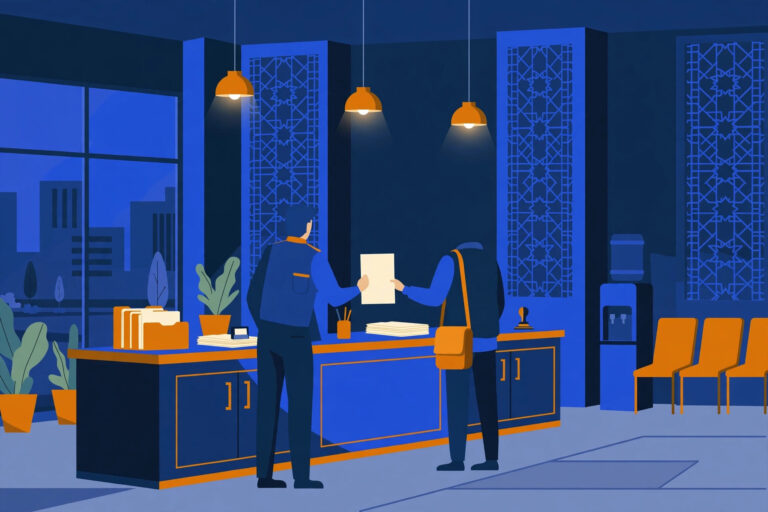
Step 4: Complete Biometric Verification and Collect Payment
Once enrolled, complete biometric verification at a designated HBL Konnect shop or Bank of Punjab agent, and collect the payment. Keep your CNIC with you, and keep every receipt. The payment is Rs 6,000 every three months, and it is paid to the beneficiary — not to a relative, not to an agent, and not to anyone who offers to collect it for you.
Punjab Ba-Himmat Buzurg Programme Compared With BISP Kafaalat
The two programmes pay different people for different reasons, and families often confuse them. The table below sets them apart.
| Punjab Ba-Himmat Buzurg Programme | BISP Kafaalat | |
|---|---|---|
| Run by | Punjab Social Protection Authority (PSPA) | BISP (federal) |
| Who | Elderly people 65+, priority to women | Poor families, all ages |
| Amount | Rs 2,000 a month (Rs 6,000 quarterly) | Rs 14,500 per quarter (Oct–Dec 2026), rising to Rs 18,000 planned from January 2027 |
| PMT rule | Usually below 30 | Cut-off 32 (37 with a disabled member) |
| Check | 8171 SMS / PSPA 1221 | 8171 portal / SMS |
| Overlap | Not for BISP beneficiaries | Not for Buzurg beneficiaries |
A household cannot draw both for the same person: if you are already a BISP beneficiary, you do not qualify for the Buzurg programme. But the two programmes serve different people in the same household — a 70-year-old grandmother may qualify for Buzurg while her daughter’s family qualifies for Kafaalat, and the two payments are separate. Our guide to Benazir Kafaalat 8171 explains the Kafaalat programme, and the Kafaalat amount in the table uses the settled wording: Rs 14,500 per quarter for the Oct–Dec 2026 cycle, per the government’s June 2026 announcement, rising to Rs 18,000 planned from January 2027 — check the exact amount for your cycle on the 8171 portal.
Punjab Ba-Himmat Buzurg Programme and the Aghosh Programme — PSPA’s Family
The Punjab Ba-Himmat Buzurg Programme is not PSPA’s only cash programme for vulnerable families. Its sister programme, the Ehsaas Aghosh Programme 2026, supports pregnant and lactating mothers and children under two years old, and the two programmes often reach the same household — a grandmother on Buzurg, and her daughter-in-law on Aghosh. Understanding both helps a family claim everything it is entitled to, instead of only half of it.
Aghosh pays a conditional cash transfer to mothers: Rs 2,000 when a woman registers her pregnancy, Rs 1,500 for each antenatal care visit (up to four visits), Rs 4,000 for delivering at a health facility, Rs 500 for registering the birth, and Rs 4,000 for the newborn’s immunisation — with a total of up to Rs 23,000 across the pregnancy and the child’s first two years, according to PSPA’s own programme details.
The amounts are staged, so the full Rs 23,000 is not paid at once: it is paid step by step, as the mother completes each health check and each vaccination. That staging is deliberate — it rewards the health visits that keep mothers and babies safe.
The two programmes share the same logic: cash in exchange for a health or welfare outcome. Buzurg pays for old age and poverty; Aghosh pays for maternal and child health. Both are run by PSPA, both use the same helpline 1221, and both are applied for through the same local channels. A family that knows both programmes can plan: the grandmother’s Rs 2,000 a month covers her own needs, and the daughter-in-law’s Aghosh payments cover the pregnancy and the baby’s first two years.
There is a third programme in the same family worth knowing. The Benazir Nashonuma Programme 2026 gives food and cash support to pregnant and lactating women and children under two through BISP, and it runs alongside Aghosh in many districts. The two are different programmes — Aghosh is Punjab’s, Nashonuma is federal — and a family may qualify for both. Our guide to Nashonuma explains the difference in detail.
Example — the three-generation household: A household in Faisalabad has three generations under one roof: a 70-year-old grandmother, her son and daughter-in-law, and a newborn baby. The grandmother receives Rs 2,000 a month from the Buzurg pension. The daughter-in-law registered her pregnancy under Aghosh, received Rs 2,000 at registration, Rs 1,500 for each of her four antenatal visits, and Rs 4,000 for delivering at the health facility. The baby is registered for immunisation under Aghosh, and the mother also receives Nashonuma food support. Between the three programmes, the household receives regular support at every stage — old age, pregnancy, and the baby’s first two years.
Example — the widow who did not know about Aghosh: A 68-year-old widow in Multan receives the Buzurg pension of Rs 2,000 a month. Her daughter, who lives with her, became pregnant and did not know about Aghosh. When the family called 1221, they learned the daughter could register for Aghosh and receive the staged payments for her pregnancy and the baby’s immunisation. The family had been receiving one programme’s support for a year while missing the other’s — and the only thing that changed was a phone call.
The lesson is to ask about every programme, not just the one you heard about first. PSPA’s helpline 1221 can tell you which programmes your household qualifies for, and our guide to the Ehsaas Aghosh Programme 2026 gives the full Aghosh details.
Common Problems — and What to Do
You Are 64, Not 65
The age line is 65, verified by CNIC, and it is strict. A person aged 64 does not qualify, however poor they are. Wait until the 65th birthday, and in the meantime check whether the household qualifies for BISP Kafaalat, which has no age limit — our guide to Benazir Kafaalat 8171 explains it.
You Already Receive BISP
If you are already a BISP beneficiary, you do not qualify for the Punjab Ba-Himmat Buzurg Programme. The programme is for elderly people who fall outside BISP and outside pension systems. Do not apply for both for the same person — the record will show the overlap, and the application will be refused.
Your PMT Score Is Above 30
If the household PMT score is above 30, you do not qualify. The score comes from the NSER survey, and it cannot be changed by paying someone. If the household’s circumstances have changed since the survey — a death, a lost job, a disabled member — ask for a fresh survey through the NSER process, and check the PMT score check online guide for how scores work.
Someone Offers to Enrol You for a Fee
Enrolment in the Punjab Ba-Himmat Buzurg Programme is free. Nobody can charge you for it, nobody can add your name to the list for money, and nobody can release a payment for a fee. If someone asks for money, report the number to the PSPA helpline 1221. The only official channels are PSPA, the 8171 check, and the biometric payment points.
Your Punjab Ba-Himmat Buzurg Programme Checklist
- The person is 65 years or above, verified by CNIC.
- The household PMT score is usually below 30.
- The person is NOT already drawing a government pension or BISP benefits.
- Priority is to the eldest woman in the household; a man qualifies if there is no eligible woman.
- The PSER record is updated on pser.punjab.gov.pk.
- I have checked eligibility on 8171 or through PSPA (helpline 1221) — no agent, no fee.
- I know the payment is Rs 2,000 a month, usually Rs 6,000 every three months, collected by biometric verification.
- I will confirm the current amount on 1221 before relying on it.
Common Questions
What is the Punjab Ba-Himmat Buzurg Programme?
The Punjab Ba-Himmat Buzurg Programme is a social pension run by the Punjab Social Protection Authority for poor elderly people in Punjab aged 65 and above. It pays Rs 2,000 a month, usually disbursed quarterly as Rs 6,000, with priority to elderly women.
How much does the Punjab Ba-Himmat Buzurg Programme pay?
Rs 2,000 per month, usually paid as Rs 6,000 every three months, collected through biometric verification at a designated payment point. The amount is reported consistently, but confirm the current figure on the PSPA helpline 1221, because payment amounts are policy decisions and can change.
Who is eligible for the Punjab Ba-Himmat Buzurg Programme?
People aged 65 or above, with a household PMT score usually below 30, who are not already drawing a government pension or BISP benefits. Priority goes to the eldest woman in a household; men qualify if there is no eligible woman.
How do I check eligibility for the Punjab Ba-Himmat Buzurg Programme?
Send the CNIC number by SMS to 8171, according to reports, or call the PSPA helpline 1221. Make sure the PSER record is updated on pser.punjab.gov.pk first.
Can a man get the Punjab Ba-Himmat Buzurg Programme?
Yes, if there is no eligible woman in the household, or after an eligible woman passes away — a male family member aged 65 or above can then become eligible. The priority to women is a design choice, not a ban on men.
Can I get both BISP Kafaalat and the Buzurg programme?
No, not for the same person. If you are already a BISP beneficiary, you do not qualify for the Buzurg programme. Different people in the same household can qualify for different programmes.
Is there a fee to join the Punjab Ba-Himmat Buzurg Programme?
No. Enrolment is free. Anyone who asks for money to enrol you or release a payment is running a scam — report them to the PSPA helpline 1221.
How is the Buzurg payment collected?
Through biometric verification at a designated HBL Konnect shop or Bank of Punjab agent, according to reports. Take your CNIC, and collect the payment yourself — never let an agent collect it for you.
Conclusion
The Punjab Ba-Himmat Buzurg Programme is a small pension with a large purpose: to give an old person who has no pension and no income a little money of their own, every month, without having to ask anyone for it. Rs 2,000 a month will not make an old person comfortable, but it will buy medicine and food, and it will do something money alone cannot measure — it will let an elderly woman or man hold their head up in their own home.
The rules are simple: 65 or above, a PMT score usually below 30, no pension and no BISP, priority to the eldest woman. Check the PSER record, check eligibility on 8171 or 1221, and collect the payment by biometric verification. And if the person in question is already a BISP beneficiary, do not apply for Buzurg — apply for Kafaalat instead, and read our guide to Benazir Kafaalat 8171 for the amount and the process.
Old age should not mean dependence, and the Punjab Ba-Himmat Buzurg Programme is the province’s attempt — modest, but real — to make sure it does not have to. Families with young children should also read our guide to the Ehsaas Aghosh Programme 2026, which supports pregnant and lactating mothers and children under two.